
ARFF中国区。
ARFF在中国区业务与合作的最新动态。

2026年8月11日
中国铝合金门窗进马来西亚:第一关不是价格,是标准 Chinese Aluminium Windows and Doors in Malaysia: the First Hurdle Is Standards, Not Price
本文面向中国的门窗、铝型材与幕墙企业,说明马来西亚为什么是一个“有真实需求、但门槛明确”的市场。文章先以马来西亚统计局数据说明建筑业仍在增长(2025年完成工作额1786亿令吉、同比增长12.5%,2026年一季度增长7.7%、二季度初步估算增长6.6%),再指出最关键的一关:铝合金窗(MS 832:2022)与铝框推拉玻璃门(MS 1017:2022)已纳入马来西亚建筑工业发展局(CIDB)的强制标准管理,自2023年9月1日起须满足PPS、PC等要求,境外工厂自2026年7月1日起须通过CIMIC系统在线办理验证。文章随后给出“6步轻量化进入法”、适合先试的企业类型、从“卖铝材”转向“卖系统”的思路,以及五个必须提前知道的风险,并说明ARFF中国运营中心可在前期提供哪些信息与资源协同。 This article is written for Chinese manufacturers of windows and doors, aluminium profiles and curtain walls, and explains why Malaysia is a market with genuine demand but clearly defined barriers to entry. It begins with Department of Statistics Malaysia (DOSM) data showing that construction is still growing — RM178.6 billion of work done in 2025, up 12.5 per cent year on year, with growth of 7.7 per cent in the first quarter of 2026 and an advance estimate of 6.6 per cent in the second quarter — and then sets out the decisive hurdle: aluminium alloy windows (MS 832:2022) and aluminium framed sliding glass doors (MS 1017:2022) fall under the mandatory standards administered by the Construction Industry Development Board Malaysia (CIDB), with PPS and PC requirements applying since 1 September 2023 and overseas factories required to submit verification online through the CIMIC system from 1 July 2026. The article then offers a six-step, asset-light entry approach, the types of enterprise best suited to trying first, a shift from selling aluminium to selling a system, and five risks to know in advance. It closes with the information and resource coordination the ARFF China Representative Office can provide at the early stage.
阅读全文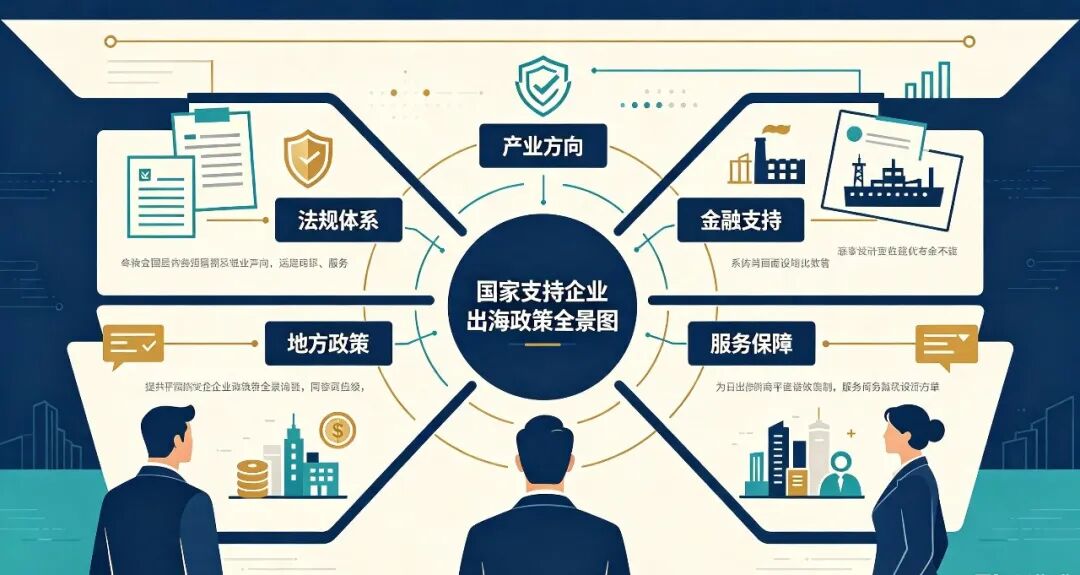
2026年8月7日
国家把出海的大门打开了,从鼓励走出去到全链条护航 China Has Opened the Door to Going Global: From Encouragement to Full-Chain Support
本文梳理国家支持企业出海政策体系的整体变化:从过去的"原则性鼓励",升级为覆盖法规、金融、税收、产业、地方政策与服务保障的全链条支持。《国务院关于对外投资的规定》(国务院令第837号)自2026年7月1日起施行,是我国首部国家层面统一的对外投资行政法规,核心思路是"发展优先、安全兜底",并建立鼓励、限制、禁止目录。文章进一步列出国家重点支持的五大出海方向、金融与税收支持工具、重点省市的配套政策以及海外权益保护服务,最后给出企业稳健出海需要准备的四件事,并说明ARFF中国运营中心可提供的全链条轻量化服务。 This article sets out how China's policy system for supporting enterprises going global has changed: from the "in-principle encouragement" of the past to full-chain support covering regulation, finance, taxation, industry, local policy and service safeguards. The Regulations of the State Council on Outbound Investment (State Council Order No. 837) took effect on 1 July 2026 as China's first unified State Council-level administrative regulation on outbound investment; its guiding approach is "development first, security as the backstop", supported by encouraged, restricted and prohibited investment catalogues. The article then lists the five priority going-global directions supported by the state, the financial and tax instruments available, the supporting policies of key provinces and cities, and overseas rights protection services. It closes with four things enterprises should prepare in order to go global steadily, and sets out the full-chain, asset-light services available from the ARFF China Representative Office.
阅读全文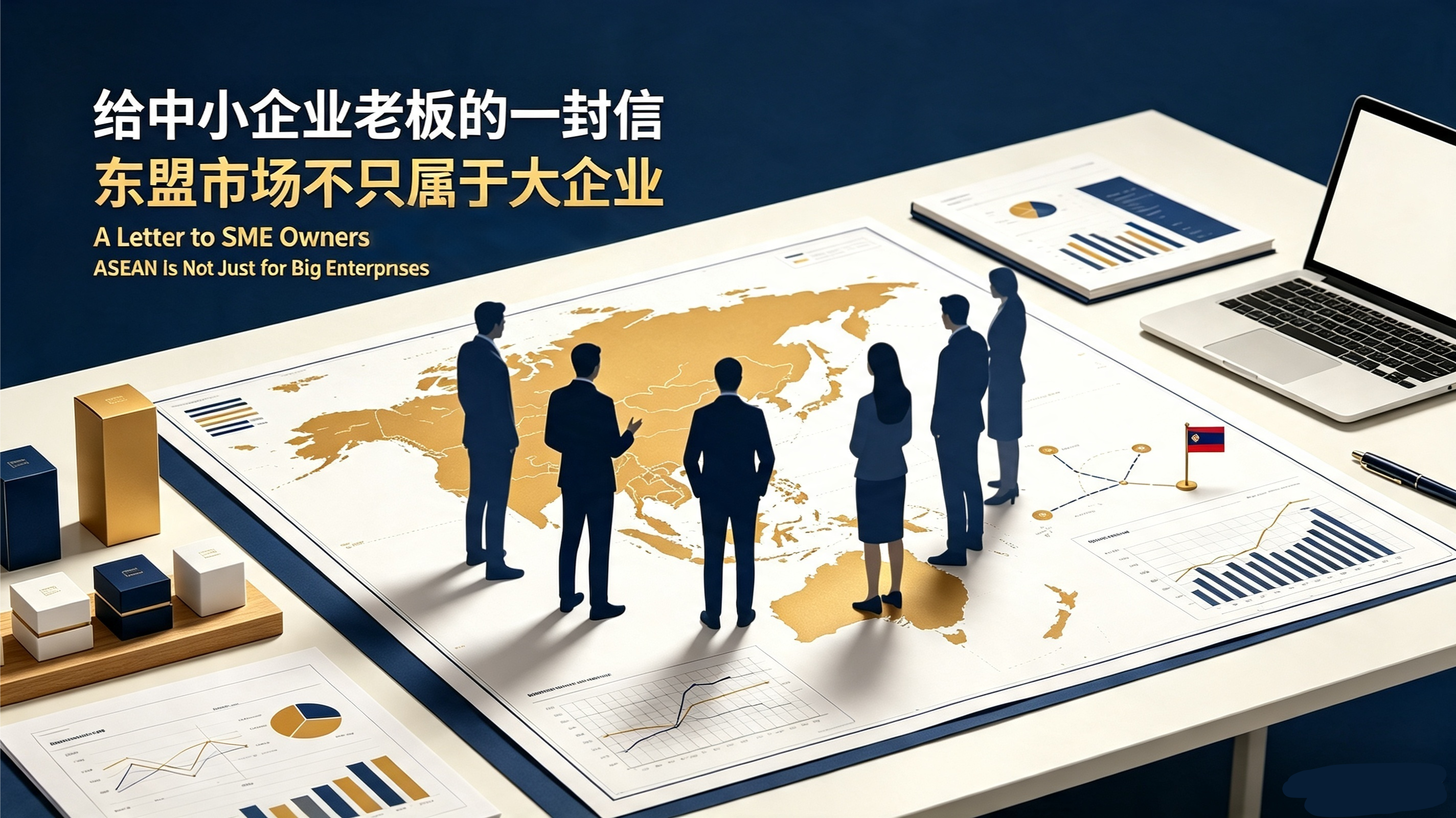
2026年8月6日
东盟市场不只属于大企业 ASEAN Is Not Just for Big Enterprises
东盟市场并非只属于大企业。中小企业完可以通过轻量化方式——市场调研、试品测试、渠道对接、合规研究等——稳妥试水东盟市场。本期"ARFF一封信"系列拆解中小企业进入东盟的六大关键:从轻量起步、发挥自身优势、借力平台资源、从一个产品切入、老板亲自掌舵、依托ARFF中国运营中心获得全方位支持,让规模不再是出海的门槛。 The ASEAN market is not the exclusive territory of large corporations. Small and medium-sized enterprises (SMEs) can steadily explore ASEAN markets through lightweight approaches — market research, sample testing, channel engagement, and compliance review. In this edition of the "ARFF Letter" series, we break down six key strategies for SMEs entering ASEAN: start lean, leverage your own strengths, tap into platforms and resources, begin with one product, have leadership personally engaged, and rely on the ARFF China Representative Office for comprehensive support — so that scale is no longer a barrier to going overseas.
阅读全文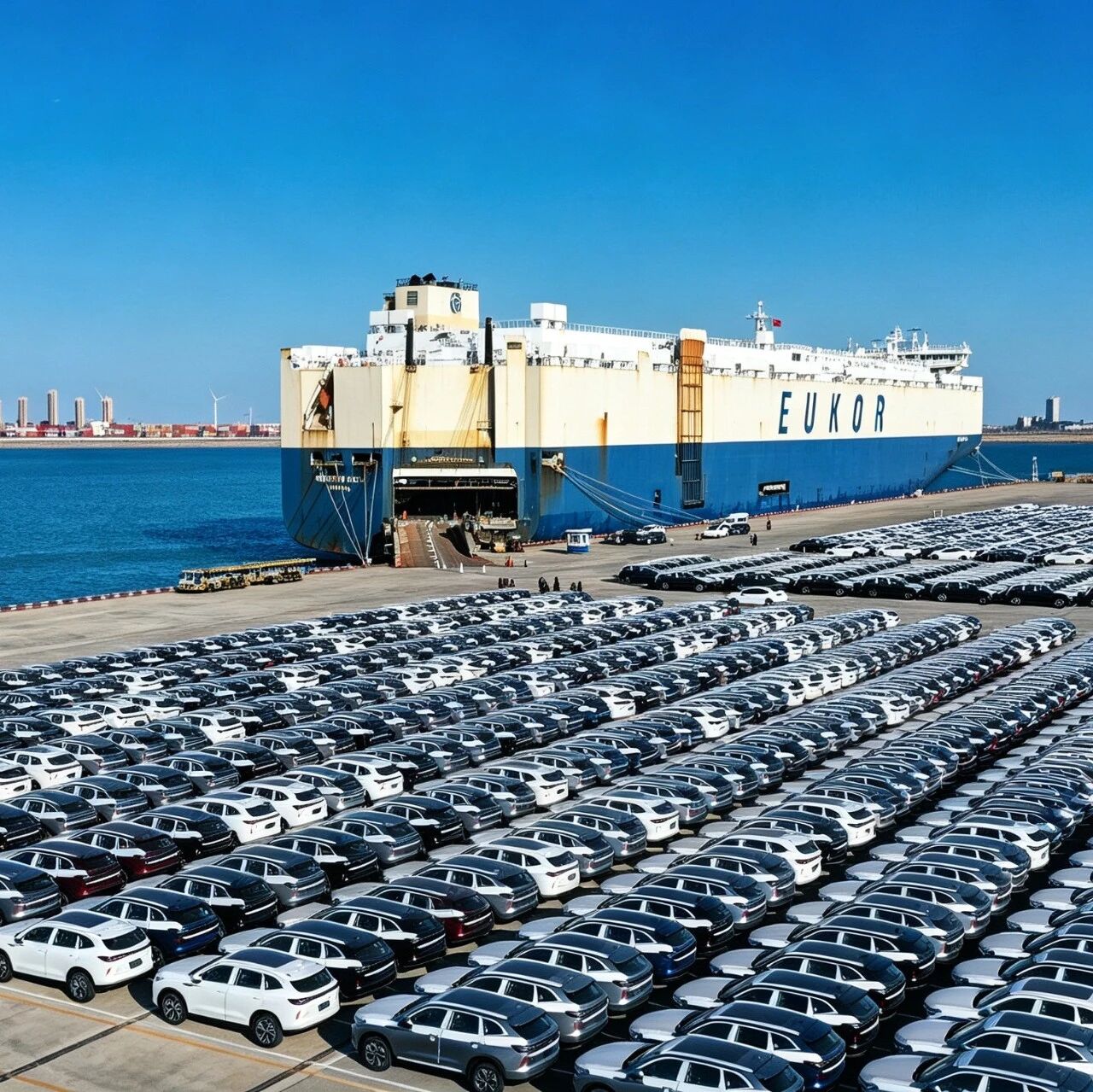
2026年8月4日
重新定义"中国制造"出海东盟 Redefining "Made in China" in ASEAN
围绕中国制造业"产能过剩"的讨论持续升温,但商务部2026年7月发布的最新立场文件给出了清晰判断:出口多不等于产能过剩,中国制造的优势正从"价格优势"走向"系统优势"。对东盟而言,中国制造更多意味着"发展机会"而非"中国冲击"。中国企业出海东盟,需从"卖产品"升级为"共建产业",从"出口产品"升级为"本地服务",从"轻资产试水"升级为"本地化布局",从"单打独斗"升级为"平台协同"。马来西亚凭借区域位置、商业环境和产业基础,正成为中国企业进入东盟的重要支点。ARFF中国运营中心将持续提供市场信息、商协会对接、出海评估与产业落地支持。The debate around Chinese manufacturing "overcapacity" continues to heat up, but the latest position paper released by China's Ministry of Commerce (MOFCOM) in July 2026 delivers a clear message: high exports do not equate to overcapacity, and the strength of Chinese manufacturing is shifting from "price advantage" to "system capability". For ASEAN, Chinese manufacturing represents a "development opportunity" rather than a "China shock". Chinese enterprises going overseas should evolve from "selling products" to "co-building industries" — from exporting goods to delivering local services, from light-asset trials to localised presence, and from going alone to platform-based collaboration. With its geographic position, business environment and industrial base, Malaysia is becoming a key gateway for Chinese enterprises entering ASEAN. The ARFF China Representative Office will continue to provide market information, chamber and association matchmaking, overseas expansion assessment, and industrial landing support.
阅读全文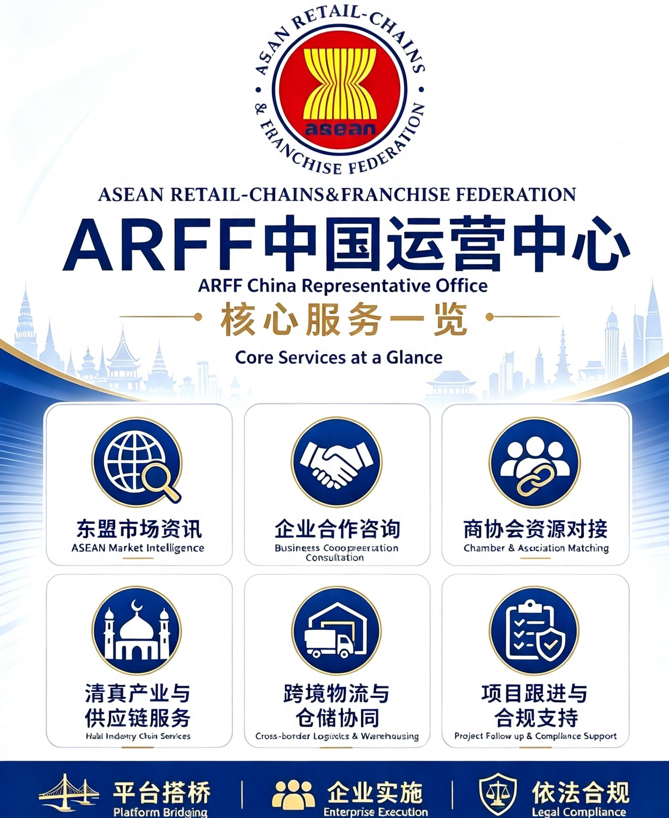
2026年8月3日
企业出海最贵的成本,不是机票和展位,而是"信息不对称" The Most Expensive Cost of Going Overseas Is Not Flights or Booths – It Is Information Asymmetry
出海最大的成本往往不是机票、展位、样品这类可见费用,而是"信息不对称"。当企业不清楚目的国规则、误判当地需求、找错合作伙伴时,付出的代价远高于一场展会。本文梳理了信息不对称带来的五类后果(决策错误、投入浪费、合规风险、信任受损、机会错失),并提出五项降低风险的方法(基础市场了解、产品适配判断、合作伙伴背景尽调、合规问题前置、借助平台与专业机构)。ARFF中国运营中心希望通过持续的内容与基础咨询,成为中国企业进入东盟市场的"稳定信息入口"。 The biggest cost of going overseas is rarely the visible kind – flights, hotel stays, booth rentals, samples, logistics – but rather the "invisible cost of information asymmetry". When companies fail to grasp destination-market regulations, misjudge local demand, or choose the wrong partners, the price paid far exceeds that of any trade fair. This article outlines five consequences of information asymmetry – wrong decisions, wasted investment, compliance risk, damaged trust, and missed opportunities – and proposes five ways to mitigate it: a baseline understanding of the market, product-fit assessment, partner due diligence, front-loading compliance, and leveraging platforms and professional institutions. ARFF China Representative Office aims to serve Chinese enterprises as a stable information gateway into the ASEAN market through ongoing content and advisory support.
阅读全文
2026年7月31日
出海东盟第一步:先画好自己的「出海地图」Going to ASEAN: Draw Your Overseas Expansion Map First
中国企业进入东盟市场,不应急于寻找客户,而应先"画清楚自己的出海地图"——看清自身能力、判断目标市场、选择进入路径、评估合规风险。马来西亚可作为观察东盟、对接清真产业与区域资源的重要入口。ARFF中国运营中心可协助企业完成前期市场了解、需求分类、资料梳理与资源对接,但不作商业决策承诺。 When Chinese enterprises enter the ASEAN market, the first step is not to rush to find customers but to "draw a clear overseas expansion map" — assessing your own capabilities, evaluating target markets, choosing the right entry path, and managing compliance risks. Malaysia can serve as a strategic gateway for observing ASEAN, understanding the halal industry and connecting with regional resources. The ARFF China Representative Office helps enterprises with market research, needs assessment, document preparation and resource matching, without making any commercial commitments on their behalf.
阅读全文
2026年7月28日
商协会平台:不担保结果,帮企业出海少走弯路 Chamber & Association Platforms: No Outcome Guarantee, Guiding Enterprises to Avoid Detours Overseas
本文解析商协会平台的服务价值与边界,指出平台无法为企业担保商业结果,核心作用是降低企业出海的信息差、沟通成本与试错风险,破解信息不清、资源不实、路径模糊三大痛点。文章提出理性看待平台价值的三项原则,明确 ARFF 运营中心的服务定位,助力企业稳妥开拓马来西亚及东盟市场。This article explains the service value and boundaries of chamber of commerce and industry association platforms, noting that they cannot guarantee commercial outcomes for enterprises. Their core role is to reduce information asymmetry, communication costs and trial-and-error risks for enterprises going global, and address three key pain points: insufficient market intelligence, unreliable resources and unclear implementation pathways. It puts forward three principles for rational utilisation of platforms, clarifies the positioning of the ARFF Operations Centre, and supports enterprises in steadily exploring the Malaysian and ASEAN markets.
阅读全文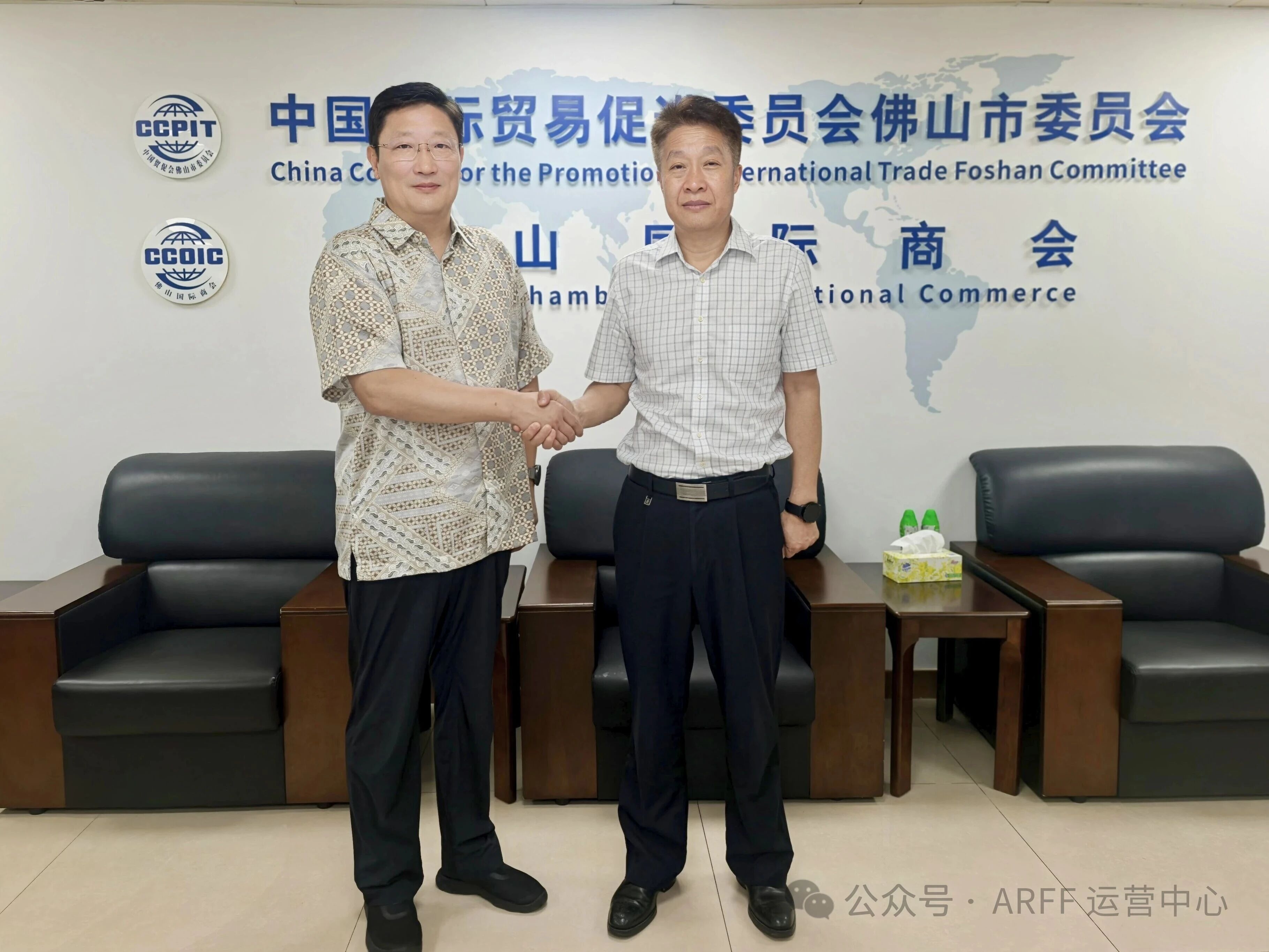
2026年7月22日
ARFF 中国运营中心与佛山市贸促会座谈 共探佛山企业开拓东盟市场路径 ARFF China Representative Office Holds Talks with Foshan CCPIT on ASEAN Market Expansion for Foshan Enterprises
近日,ARFF 中国运营中心负责人卢朋一行与佛山市贸促会会长李德开展工作交流。双方围绕佛山制造企业进军马来西亚与东盟市场、双向经贸对接、清真产业合作、跨境商务活动组织等议题深入研讨。交流明确企业出海应当坚持合规先行、市场验证、轻资产起步、分阶段推进。双方商定搭建常态化沟通机制,推进商务互访、产业专场对接、园区合作等务实举措。依托丰麒集团跨境资源,ARFF 中国运营中心将为佛山企业提供东盟市场调研、伙伴筛选、专业机构对接等市场化配套服务,助力企业稳妥布局东盟。A delegation led by Dr. Lu Peng from ARFF China Operations Centre held working discussions with Li De, Chairman of Foshan CCPIT. Both sides exchanged views on Foshan manufacturers’ expansion into Malaysia and ASEAN markets, two-way trade links, halal industry cooperation and cross-border business events. They agreed that enterprises expanding overseas should prioritise compliance, market validation, asset-light development and phased roll-out. A regular communication mechanism will be established to advance reciprocal business visits, sector-specific matchmaking and industrial park collaboration. Supported by FengQi Group’s cross-border resources, ARFF China Operations Centre will deliver market-oriented services including ASEAN market research, partner screening and referrals to professional institutions, supporting Foshan enterprises to develop a stable presence in ASEAN.
阅读全文
2026年7月19日
中国企业出海视角下的清真产业价值解析 An Analysis of the Value of the Halal Industry from the Perspective of Chinese Enterprises' Overseas Expansion
清真产业的真正价值远不止一张认证证书,而是一套连接食品安全、供应链管理、市场信任和区域消费的重要体系。中国企业进入马来西亚及东盟市场,不能只关注"证书怎么办",更需对原料来源、供应商追溯、生产设备交叉污染、仓储物流区分管理、标签文件、内部管理体系及市场渠道进行系统性梳理。这是一项系统工程,而非简单办证——正确的进入顺序是先判断产品、再梳理供应链、再评估管理体系、再研究认证路径、最后才做渠道推广。 The true value of the Halal industry extends far beyond a single certificate of compliance — it is an integrated system linking food safety, supply chain governance, market trust and regional consumption. Chinese enterprises entering Malaysia and the wider ASEAN market cannot focus solely on "how to obtain the certificate"; they must systematically address raw material sourcing, supplier traceability, cross-contamination risks in production equipment, segregation capability in warehousing and logistics, labelling and documentation, internal management systems, and downstream channel acceptance. This is a systematic undertaking rather than a paperwork exercise. The correct sequence is: first assess product fit, then map the supply chain, then evaluate production and management systems, then study the certification pathway, and only lastly pursue channel and market promotion.
阅读全文